
Technology

We build our products on a stack of publicly available satellite data, commercial high-resolution imagery, in-situ measurements, and machine-learning models calibrated for aquatic applications. The right tool depends on the question. Below is a summary of the data and methods we work with.

Both optical and radar remote sensing methods provide data at very large scales globally. We can map, analyse, and monitor several environmental indicators (e.g. water quality, water temperature, bathymetry, land cover, and land use).
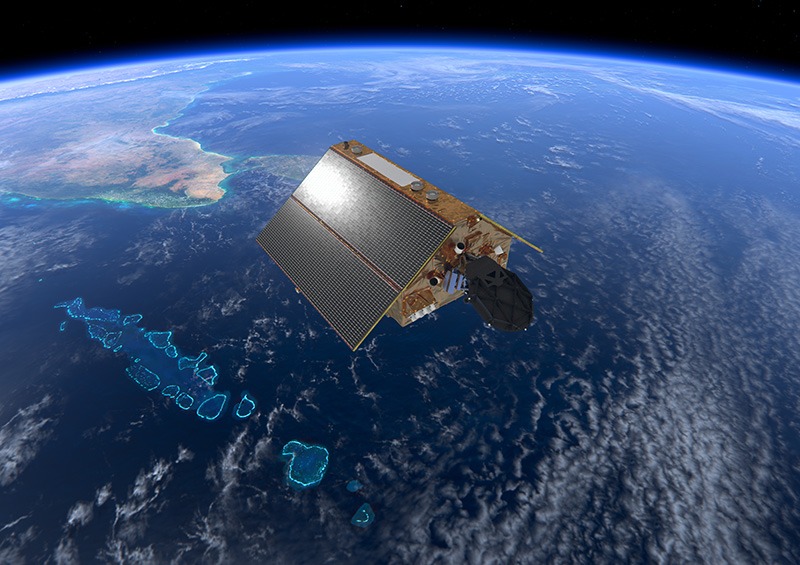
SATELLITE IMAGERY

Where a higher spatial resolution and more frequent visit is required, together with our local partners, we use drones for data collection (e.g. bleaching events, illegal boat traffic, post-incident rapid damage assessment, habitat ground-truthing, shallow-water bathymetry).
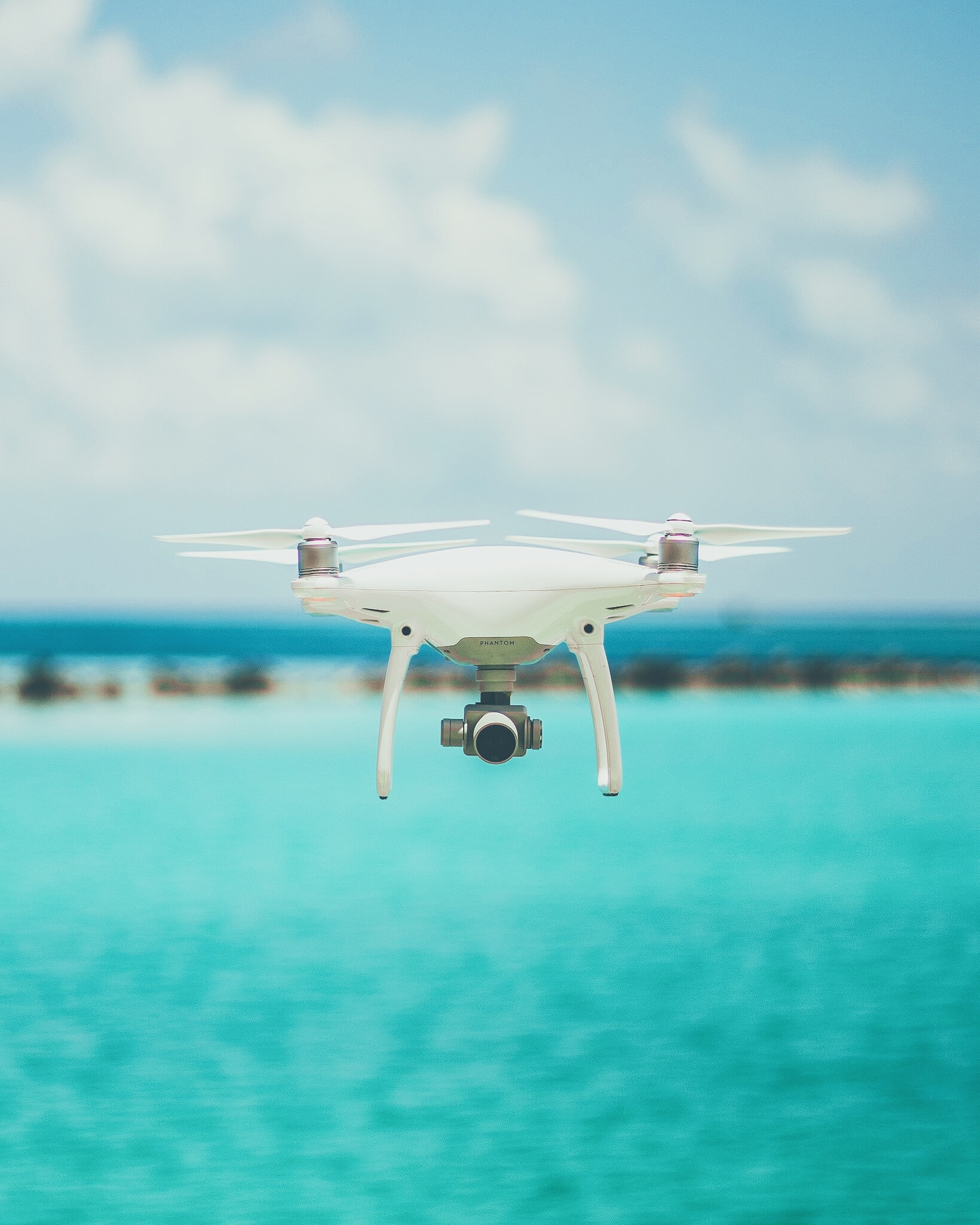
DRONE ACQUISITION

Field data collected by partners and clients enriches our analysis and calibrates our models. We integrate in-situ measurements — water quality samples, bleaching reports, land cover samples, species distribution records, and eDNA data — for validation and accuracy assessment of our products.
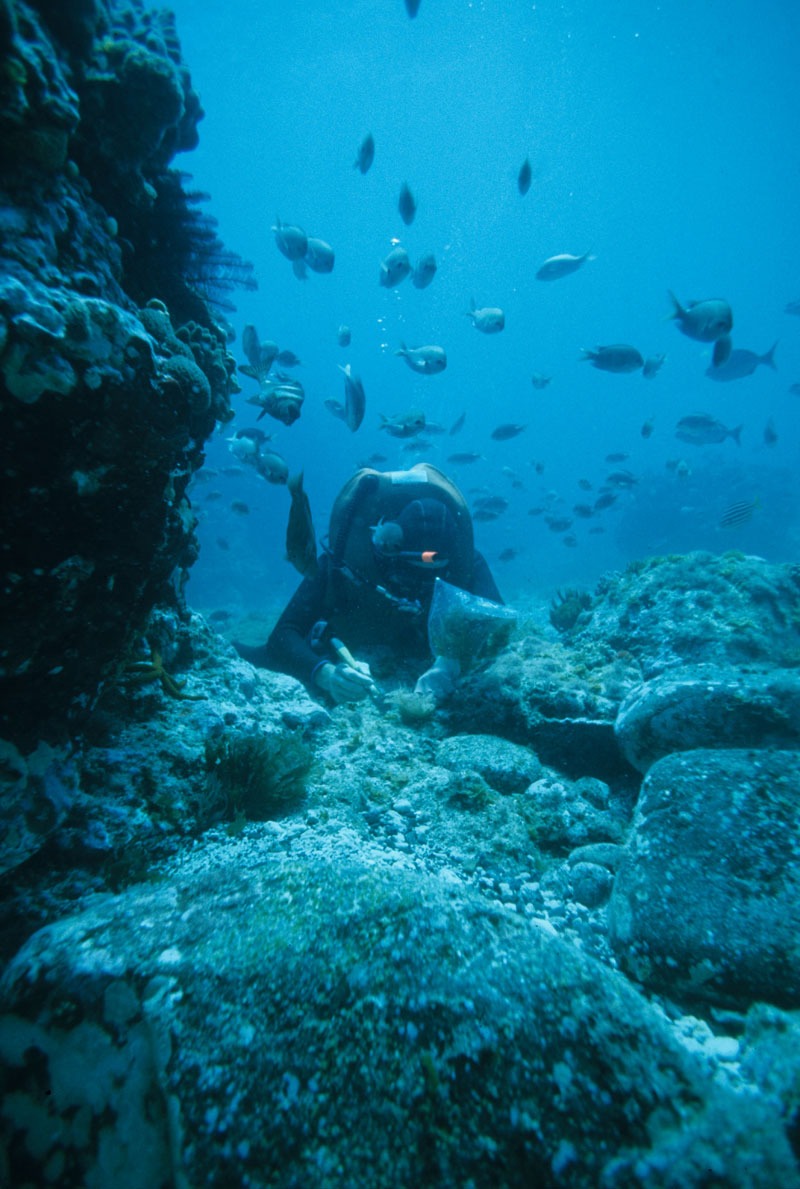
FIELD DATA INTEGRATION

How we work

Our work draws on four areas of expertise. The combination is what allows us to turn satellite data into something a regulator, an operator, or a project developer can act on.

Earth Observation & Remote Sensing

Optical and radar processing of Sentinel, Landsat, and commercial high-resolution imagery. Atmospheric correction, water-colour retrieval, image classification, and multi-year time-series analysis tuned for aquatic applications.

Geospatial Analysis

Spatial modelling, habitat mapping, change detection, and decision-support analysis built on standard GIS workflows. Outputs are designed to integrate with the systems and reporting frameworks our clients already use.

AI and Data Science

Machine learning models calibrated for water-quality retrieval, anomaly detection, species distribution, and risk forecasting, including HAB forecasting built on bio-optical and environmental drivers.

Ecosystem, Biology, and Ecology

The lens that turns pixels into evidence

Marine and aquatic ecology, biodiversity science, and applied ecosystem knowledge, held to scientific standards rather than commercial ones. We develop our methods in collaboration with academic partners, validate our models against in-situ measurements, and document our assumptions so others can scrutinise them. This is what stops our analysis being a stack of pixels and turns it into ecological evidence.

01
Peer-reviewed methods

02
Academic collaborations

03
In-situ validation

“Covering less than one percent of the ocean floor, reefs support an estimated twenty-five percent of all marine life, with over 4,000 species of fish alone. Reefs provide spawning, nursery, refuge and feeding areas for a large variety of organisms.”

International Coral Reef Initiative (ICRI)

“Coastal ecosystems provide us with an integral service – sequestering and storing “blue” carbon from the atmosphere and oceans and hence are an essential piece of the solution to global climate change.”

the BLUE CARBON initiative

“Climate change is damaging coral reefs and other key ecosystems. People are cutting too much wood from mangroves and clearing them for fish farms and other activities. Overfishing is threatening the stability of fish stocks, nutrient pollution is contributing to the creation of dead zones, and nearly 80 per cent of the world’s wastewater is discharged without treatment.”

The UN Decade on Ecosystem Restoration